
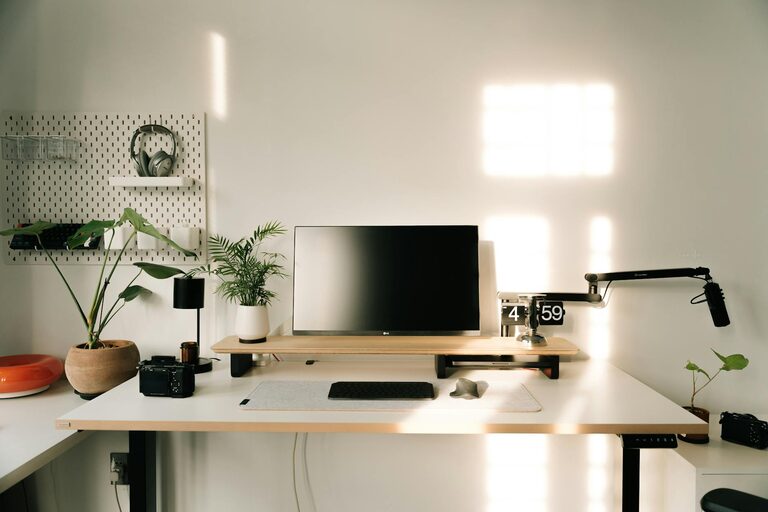
Creating a sustainable and organised home workspace is not only good for the environment but also enhances your productivity and well-being. Whether you work from home full-time or occasionally need a dedicated space for tasks, having an area that is tidy, efficient, and eco-friendly can make a real difference.
In this post, we’ll explore simple yet effective strategies to help you design a workspace that supports both your work and values.
Why Focus on Sustainability and Organisation?
A sustainable home workspace reduces waste, conserves resources, and limits energy consumption. Meanwhile, an organised space reduces stress and distractions, allowing you to focus better and complete tasks more efficiently.
Combining these approaches creates a harmonious area that supports long-term use and enjoyment.
—
Choosing Your Workspace Wisely
Location Matters
Select a spot in your home that naturally suits your needs:
– Natural Light: Try to position your desk near a window. Natural light improves mood and reduces the need for artificial lighting.
– Quiet Area: Choose a quieter corner or room to minimise disturbances.
– Ventilation: Proper airflow is essential for comfort and air quality.
Space Considerations
Even small spaces can be transformed into functional work areas with the right planning. Measure your space and consider how much surface area and storage you require.
—
Sustainable Furniture and Materials
Opt for Eco-Friendly Furniture
– Second-hand or Upcycled Items: Thrift shops and online marketplaces offer quality desks and chairs at lower environmental costs.
– Sustainably Sourced Wood: Look for furniture made from FSC-certified or reclaimed wood.
– Low-VOC Finishes: Choose pieces finished with non-toxic, low-volatile organic compounds to improve indoor air quality.
Invest in Ergonomic and Durable Pieces
Sustainable isn’t just about materials but longevity too. Select ergonomic chairs and desks that encourage good posture and are built to last, reducing the need for future replacements.
—
Organising Your Workspace
Declutter Regularly
Clear your desk of unnecessary items daily to maintain focus. Use designated spaces for stationery, documents, and gadgets.
Functional Storage Solutions
– Drawers and Shelves: Use cupboards and shelving units to keep the desktop clear.
– Desk Organisers: Keep pens, paper clips, and other small items contained.
– Cable Management: Use clips or cable sleeves to reduce tangling and mess.
Digital Organisation
A sustainable workspace also extends to digital clutter. Manage files effectively with organised folders and backup important documents to reduce printing.
—
Lighting and Energy Efficiency
Use Natural Light First
Maximise daylight by positioning your desk near windows and keeping window treatments light and easy to open.
Choose Energy-Efficient Bulbs
When artificial lighting is needed, switch to LED or CFL bulbs. They consume less energy and last longer.
Smart Power Management
Turn off devices when not in use. Consider power strips with switches to easily disconnect multiple devices and avoid phantom energy drain.
—
Personal Touches That Support Sustainability
Plants for Air Quality and Mood
Adding indoor plants improves air quality and creates a calming atmosphere. Choose low-maintenance varieties like snake plants or pothos.
Eco-Friendly Stationery
Use recycled paper, refillable pens, and non-toxic inks to reduce your environmental impact.
Minimise Single-Use Plastics
Avoid plastic disposable cups or containers. Replace them with reusable bottles and dishes.
—
Maintaining Your Sustainable Workspace
Regular Cleaning with Natural Products
Use eco-friendly cleaning supplies such as vinegar solutions or biodegradable soaps to keep your workspace fresh without harsh chemicals.
Evaluate and Adapt
Periodically assess your setup to identify what works and what needs improvement. Small adjustments can keep your workspace both efficient and sustainable over time.
—
Conclusion
Creating a sustainable and organised home workspace is an achievable goal that benefits both you and the planet. By thoughtfully choosing furniture, reducing clutter, maximising natural light, and incorporating eco-friendly habits, you can enjoy a productive, comfortable, and greener working environment.
Start with small changes today, and over time, your sustainable workspace will support your work and well-being in meaningful ways.